
In 2025, the people of America are once again talking about stimulus checks. President Donald Trump has proposed sending a $2,000 dividend payment to several Americans using revenue collected from tariffs. This idea has gained a lot of attention in the news and on social media. In this blog, we will explain everything based on credible sources and research from our TechEmplify Team.
What is the $2,000 Stimulus Check?
President Trump proposed a $2,000 dividend for Americans. The payment is arranged to be funded by tariff revenue collected from imports, in the past few years ago stimulus checks given during the COVID-19 pandemic.
- The payment would exclude high income individuals.
- Treasury Secretary Scott Bessent suggested families making under $100,000 per year may qualify, but the exact rules have not been finalised.
- Some ideas also include giving money to health savings accounts or as tax deductions on tips, overtime, and auto loans.
The goal of the stimulus is to give money back to Americans and ease financial pressure caused by inflation and rising costs of living.
Why is This Stimulus Proposed?
The Government of Donald Trump is thinking about this idea at a time when many Americans are facing high inflation and rising prices. Tariffs on imports have also contributed to higher costs.
- During the COVID-19 pandemic, stimulus checks helped Americans stabilize their finances and avoid financial struggles.
- Now, the $2,000 tariff dividend aims to give back some of the tariff revenue to people and help them with expenses.
However, financial advisors warn that sending extra money when the economy is strong could increase inflation. Stimulus payments are most effective in a recession or during periods of low consumer demand.
How Much Will It Cost?
The proposed $2,000 payment would likely cost $300 to $600 billion, depending on how many people qualify and if children are included.
- As of September 2025, the U.S. collected around $195 billion in tariff revenue.
- This means the government may need more funding or plan the payment based on expected future revenue.
- The final amount may also be different if only middle-class and poor Americans are included.
Who Will Get the Payment?
President Trump has declared that the payment will go to everyone except the elite class.
- Treasury Secretary Scott Bessent suggested that families making under $100,000 per year may qualify.
- In the past, COVID-era stimulus payments:
- People earning up to $75,000 and couples up to $150,000 received full payments.
- Higher earners were eligible for smaller amounts.
It is still not clear who exactly will qualify, and the rules could change depending on Congressional approval.
When Will Payments Be Made?
There is no official deadline for the $2,000 tariff dividend.
- Congress must approve legislation before any payments are made.
- It could take months to distribute the funds after approval.
- The White House has said it is exploring all legal options to deliver payments.
Past stimulus checks during the pandemic were distributed very quickly once Congress approved the bills. But delays are possible depending on political processes.
History of Stimulus Checks
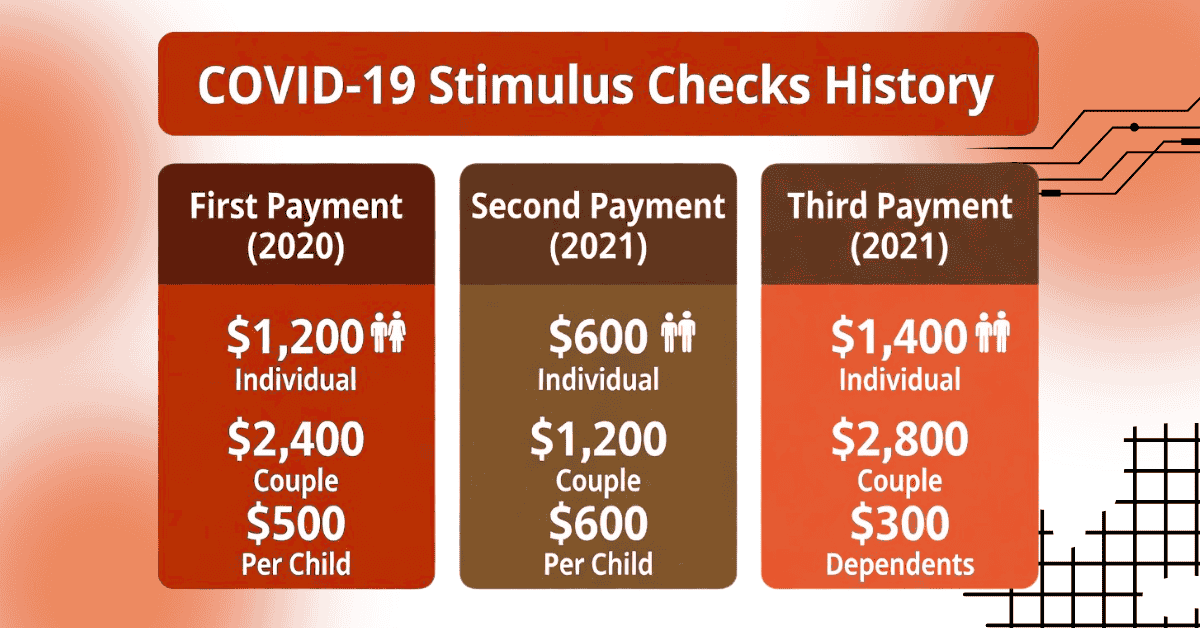
The COVID-19 pandemic saw three rounds of stimulus payments:
- First Payment (2020): $1,200 per individual, $2,400 per couple, plus $500 per child.
- Second Payment (2021): $600 per individual, $1,200 per couple, plus $600 per child.
- Third Payment (2021): $1,400 per individual, $2,800 per couple, plus dependents.
The last time limit to claim the third stimulus was April 15, 2025. After that, unclaimed payments became property of the U.S. Treasury.
The new $2,000 proposal is similar in purpose but comes from tariff revenue instead of pandemic relief funds.
Political and Economic Context
The proposed stimulus is also politically significant:
- It aims to address affordability concerns among voters.
- Experts say sending money when inflation is moderate may raise prices, but it also shows the government is actively supporting Americans financially.
- The plan also reflects Trump’s history of stimulus payments, which many Americans remember and associate with his presidency.
Fintech Opportunities
The $2,000 stimulus check could create opportunities for fintech platforms:
- Digital wallets: to receive payments safely and quickly.
- Budgeting apps: to manage extra funds.
- Investment apps: to allocate stimulus money into savings or stocks.
- Tax tools: to track any alternative forms of payments, like deductions or credits.
Fintech companies can educate users and provide guidance on how to maximize the benefits of the dividend.
What to Watch Next
- Congressional Approval: Payments require a bill to pass the House and Senate.
- Eligibility Rules: Elite class cutoffs may be clarified soon.
- Distribution Methods: Payments could be direct checks, digital transfers, or tax adjustments.
- Tariff Revenue: The government will decide if it uses current or anticipated funds.
Americans should watch credible news sources and official announcements from the White House or IRS for updates.
Conclusion
The $2,000 tariff dividend announced by President Donald Trump in 2025 is still under discussion. It is aimed at middle and lower-income Americans, funded by tariff revenue, and may be distributed as checks, tax adjustments, or other forms.
While there is no official deadline yet, this proposal shows how the government is experimenting with ways to ease financial pressure on Americans. Fintech platforms can play a key role in helping people receive, manage, and plan for these payments.
Stay tuned to official announcements and trusted news sources to know exactly who is selected, when payments are made, and how they will be delivered.