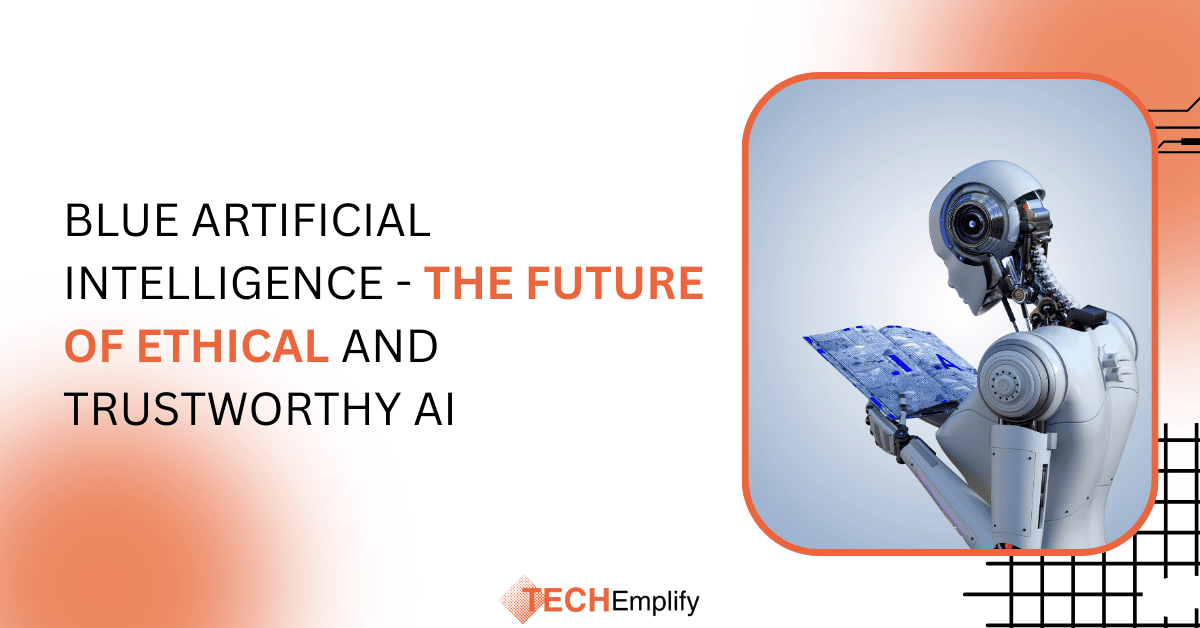
Artificial Intelligence is changing our world’s thinking. It’s making businesses automate processes to help in medical RND and upgrading customer experiences. Although AI has become very powerful, here is one important question: Can we trust it?
This is how Blue Artificial Intelligence comes in. Just like how green shows Clean innovation, blue in AI shows ethical, transparent, and trustworthy intelligence. It is not just about making smarter systems. It’s about building AI that aligns with human values.
In this blog, we will discuss what Blue Artificial Intelligence is, its relationship with ethics, why it is important for the future, and what lessons we can learn from history and culture.
What is Blue Artificial Intelligence?
The thoughts of Blue Artificial Intelligence is a rising concept that focuses on creating AI systems that are:
- Ethical: free from negative impact of bias.
- Transparent: decisions can be explained perfectly.
- Accountable: humans are also responsible for results.
- Trustworthy makes it respect secure and fairness.
In simple words, Blue AI is about trust over speed, responsibility over power and quality over quantity. It responds to the rising need for AI that does not just work, but works fairly, safely, perfectly and responsibly in society.
A Look Back: From Deep Blue to Blue AI
The first impression when people hear “blue” and “AI” they may remember Deep Blue Artificial Intelligence. The chess playing computer made by IBM.
- In 1997, Deep Blue made history by beating Garry Kasparov, the world chess master.
- It proved that machines could outperform humans in specific tasks by sheer computational power.
But Deep Blue was especially regarding calculation, not ethics. It didn’t need to think about fairness, privacy, or accountability.
In these about, Blue Artificial Intelligence is about adding those overlooked aspects.
- Deep Blue taught us what machines work.
- Blue AI specially for what machines should do.
Why Ethical AI Matters in These Day
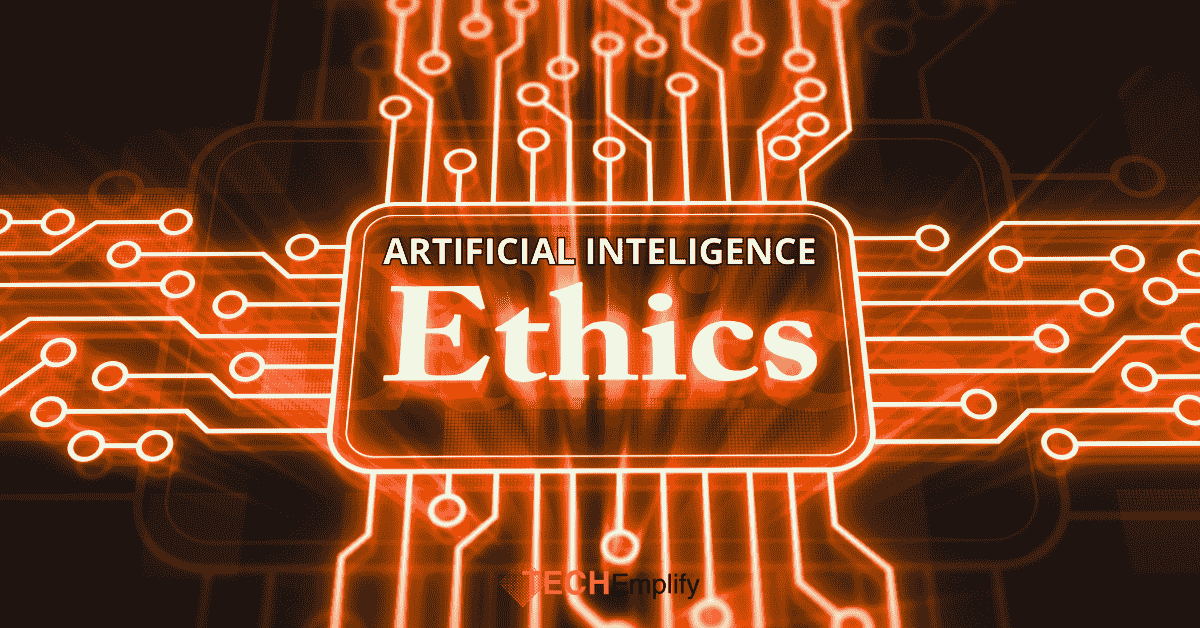
Nowadays Artificial Inteligence is not only a chess computer anymore or a research experiment. It’s now considered:
- Healthcare: analyze diseases, suggesting treatments.
- Finance: recognizing scam, accepting loans.
- Education: personalizing learning experiences.
- Public Services: facial identification, policing, and number of other services.
But without ethical security, we can face serious issues due to AI, These are Followings:
- Bias in Data: If the learning data is biased, AI can basically disadvantage specific groups.
- Privacy Risks: AI that collects too much personal information can harm user trust.
- Lack of Accountability: The time AI creates issues, who is answerable?
- Opacity: Black box AI algorithms make decisions no one can describe.
Due to this reason Blue AI is immediately needed, to make sure innovation doesn’t come at the cost of fairness and trust.
The 4 Basics of Ethical AI
According to authentic frameworks on AI ethics, like those discussed by AICerts and Coursera, Blue AI should rest on four main pillars:
- Fairness: AI must not identify due to race, gender, or social background.
- Accountability: Companies and developers must take responsibility for AI results.
- Transparency: Judgments should be describable in plain language.
- Privacy and Security: Data should be secured with powerful security.
These rules make a framework where AI can grow without losing human trust.
The Blue Fairy Connection
Notably, the phrase “AI Artificial Intelligence Blue Fairy” appears in popular culture, especially from the movie A.I. Artificial Intelligence (2001).
In the film, the Blue Fairy is a symbol of faith and direction for the AI child robot who wants to be human.
This traditional metaphor suitable perfectly with the modern vision of Blue AI:
- Just as the Blue Fairy guided the robot,
- Blue Artificial Intelligence should give a roadmap to technology with ethics, humanity, and trust.
Advantages of Blue Artificial Intelligence
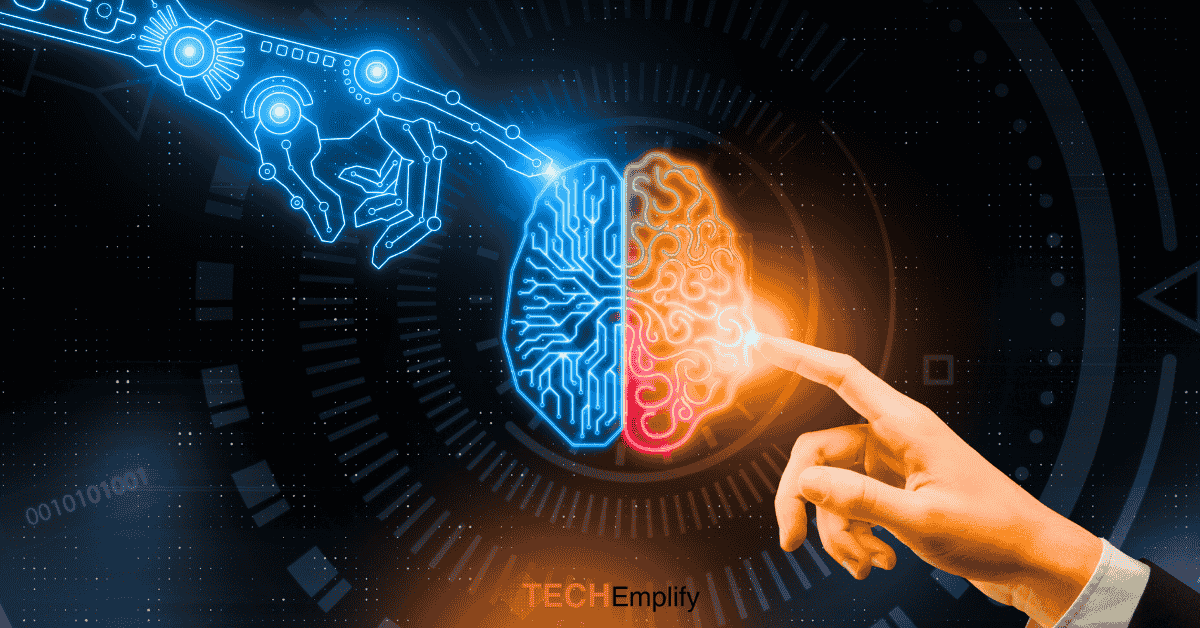
If broadly accepted, Blue AI can bring multiple benefits to society:
1. Builds Public Trust
When people are sure AI is ethical, they are more prepared to use it in medical care, finance, and education.
2. Encourages Safer Innovation
Perfect ethical standards reduce the risk of dangerous apps.
3. Strengthens Business Values
Companies using ethical AI to get authenticity and customer commitments.
4. Promotes Global Cooperation
Shared “blue” values can help countries make universal AI rules.
Blue AI in Action: Practical Examples
- Healthcare AI: Analyzing tools that explain why a diagnosis was made, not only what the diagnosis is.
- Finance AI: Loan approval algorithm that shows clear issuing, make sure no secrets bias.
- Education AI: Accepting training channels that personalize without collecting needless secure data.
- Governance AI: Transparent public service tools that avoid hidden tracking or unjust profiling.
These examples represent how ethics can be built into AI without slowing innovation.
Upcoming Challenges
Making Blue AI is not easy. Some challenges involve:
- Adjusting innovation with strict ethical regulations.
- Explaining global criteria when countries have different values.
- Learning AI on massive datasets without violating privacy.
- Make sure transparency when AI is developed by teams, not singles.
Until, these challenges can be resolved with authentic research, rules, and transparency.
The Future of Blue Artificial Intelligence
Now we are at the final point. Now Artificial Intelligence will no longer be judged only by speed, accuracy, or efficiency. In the future, success will be calculated by:
- How best AI secure human values.
- How clearly it treats all people.
- How perfectly it describes its decisions.
Blue AI is not just a theory, it’s an action. It is a technology that makes life easier, without sacrificing clarity, security, or trust.
References
- LaSoft. (2024). Ethical Aspects of Artificial Intelligence: Challenges and Imperatives. Link
- AICerts. (2024). The Four Pillars of AI Ethics. Link
- Coursera. (2024). AI Ethics: What It Is, Why It Matters, and More. Link
Tschider, C. A. (2025). Ethical AI: Challenges in Governance. Applied Artificial Intelligence. DOI