
In this advanced era every one has a vehicle and he knows how to change a tire. Changing a tire is a basic but very important skill for every driver. A flat tire can happen anywhere, on the road, at night, or during an emergency.
In this advanced technology time, there are two types of cars:
- Manual cars (no TPMS)
- Modern cars with TPMS (Tire Pressure Monitoring System)
Some of our experts from the TechEmplify team experienced this issue at night in an emergency when they were on an official trip. After that they decided to explain how to change a tire step by step for both types of cars.
The Basic Need Before Starting
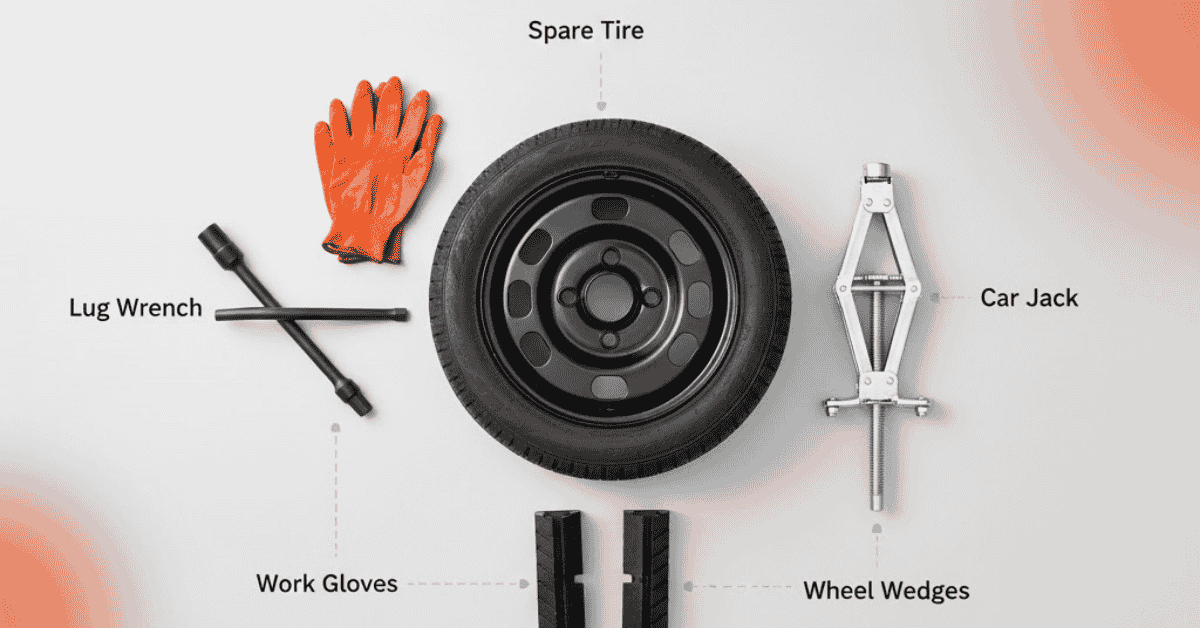
Keep these items in your car:
- Spare tire
- Car jack
- Lug wrench
- Wheel wedges or stones
- Gloves (optional but helpful)
Step 1: Stop the Car Safely
This step is the same for both manual and TPMS cars.
- Park on a flat and safe place
- Turn on hazard lights
- Apply handbrake
- Place wedges or stones behind the wheels
Keep in mind to never change a tire on a slope or busy road. (it’s very risky for you and others as well)
Step 2: Check the Flat Tire
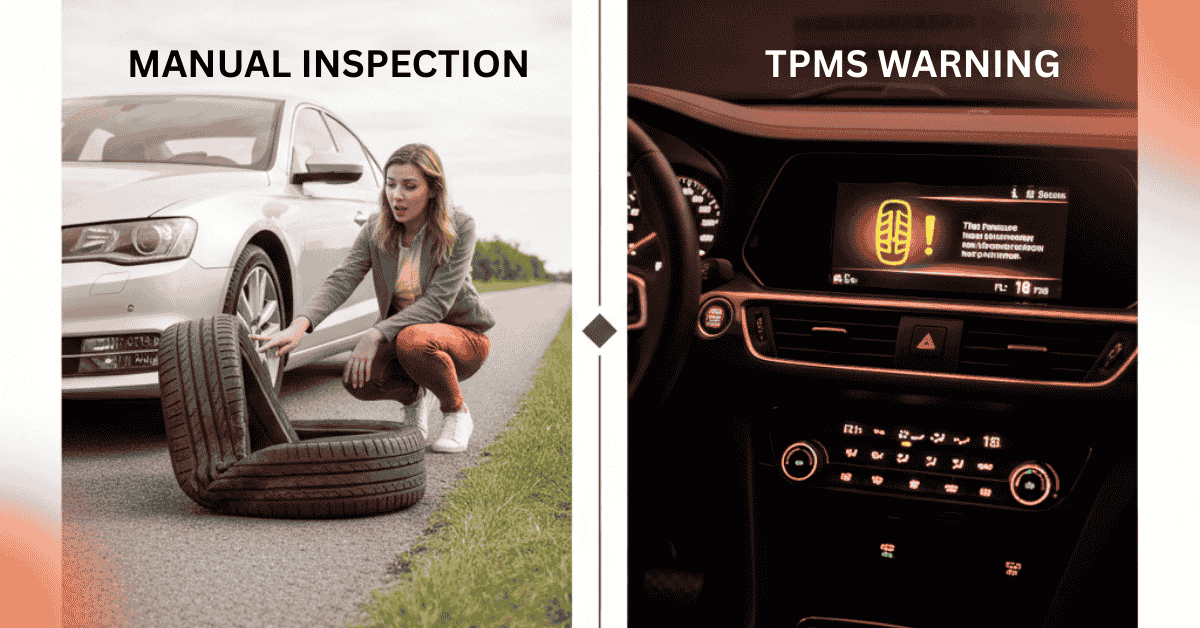
Manual Cars (No TPMS)
- You usually notice the flat tire by:
- Heavy steering
- Car pulling to one side
- Visible flat tire
Cars With TPMS
- The dashboard shows:
- Low tire pressure warning
- Tire symbol light
- TPMS tells you which tire has low pressure
TPMS helps you detect the problem early.
Step 3: Loosen the Lug Nuts
Do this before lifting the car.
- Use the lug wrench
- Turn the nuts anti clockwise
- Loosen slightly, do not remove yet
This step is the same for both car types.
Step 4: Lift the Car Using Jack
- Place the jack under the car’s jack point
- Lift the car until the tire is off the ground
Check your car manual if you are unsure about jack position.
Step 5: Remove the Flat Tire
- Remove all lug nuts
- Pull the flat tire straight out
- Place it on the ground
Step 6: Install the Spare Tire
- Align the spare tire with wheel bolts
- Push it in place
- Hand tighten the lug nuts
Step 7: Lower the Car
- Slowly lower the car using jack
- Remove the jack
- Tighten lug nuts fully in a star pattern
Extra Steps for Cars With TPMS (Important)
Step 8: Reset or Check TPMS
After changing the tire:
- Start the car
- TPMS light may stay ON
- Drive for 5 to 10 minutes
If light stays ON:
- Use TPMS reset button (if available)
- Or reset via car settings screen
Some cars need a professional TPMS reset.
Key Difference: Manual vs TPMS Cars
| Feature | Manual Cars | TPMS Cars |
| Tire warning | Visual check | Dashboard alert |
| Technology | No sensors | Pressure sensors |
| Extra step | None | TPMS reset |
| Safety level | Basic | High |
Safety Tips (Very Important)
- Do not exceed speed limit with spare tire
- Visit tire shop as soon as possible
- Check tire pressure after replacement
- Never ignore TPMS warning light
Final Words (Personal Experience)

In the end, we want to share a real experience that made us realize why this topic is important to share with you guys.
While team TechEmplify was traveling from Austin to Lakeway, one of our car tires suddenly burst on the road. There was no nearby repair shop, and we had no immediate help available. At that moment we realized how important is to get knowldge about how to change a tire, and then our driver changed the tire with the support of the team. That experience showed us how important it is to know this basic skill.
During the journey, our team discussed the situation in detail. We realized that many people rely completely on roadside help or workshops, but in real emergencies, help is not always available. This discussion inspired us to write this guide and share it with our audience.
Changing a tire may not seem like a highly technical skill, but it is an essential life skill. Everyone who drives a car should know how to handle such situations calmly and safely. Learning this simple process can help you stay prepared and confident during unexpected emergencies.